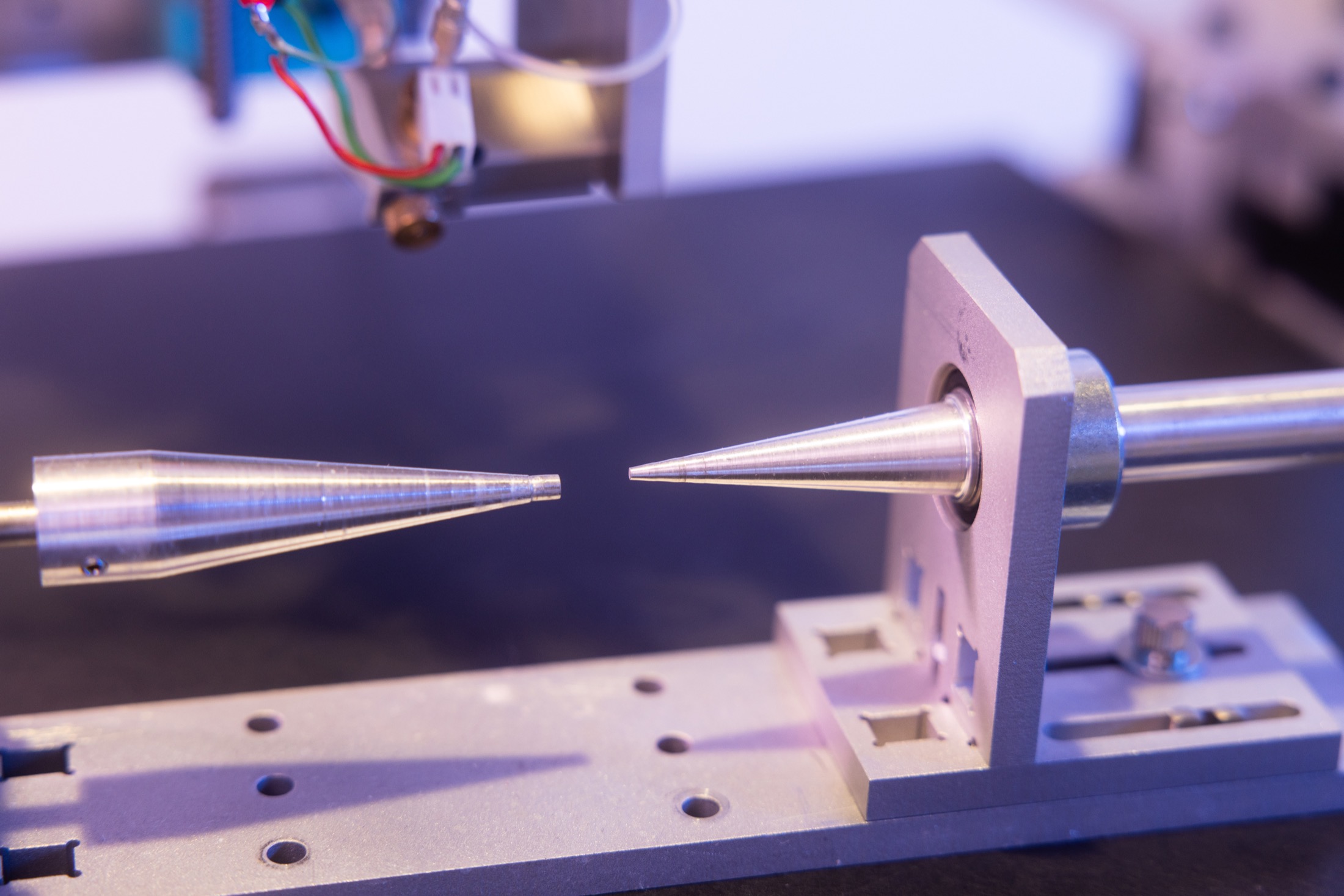
Recreate cellular microenvironments
Place cell-filled hydrogels where they are needed, with a pathway towards dense, structured 3D cultures.
Modular bioprinting for advanced 3D in vitro research
JetBio brings distinctive ReJI, microvalve and inkjet printing together in one adaptable platform, supported by people who help shape the application around your biology.
Start with a confidential application discussion. No fixed specification or purchase commitment required.
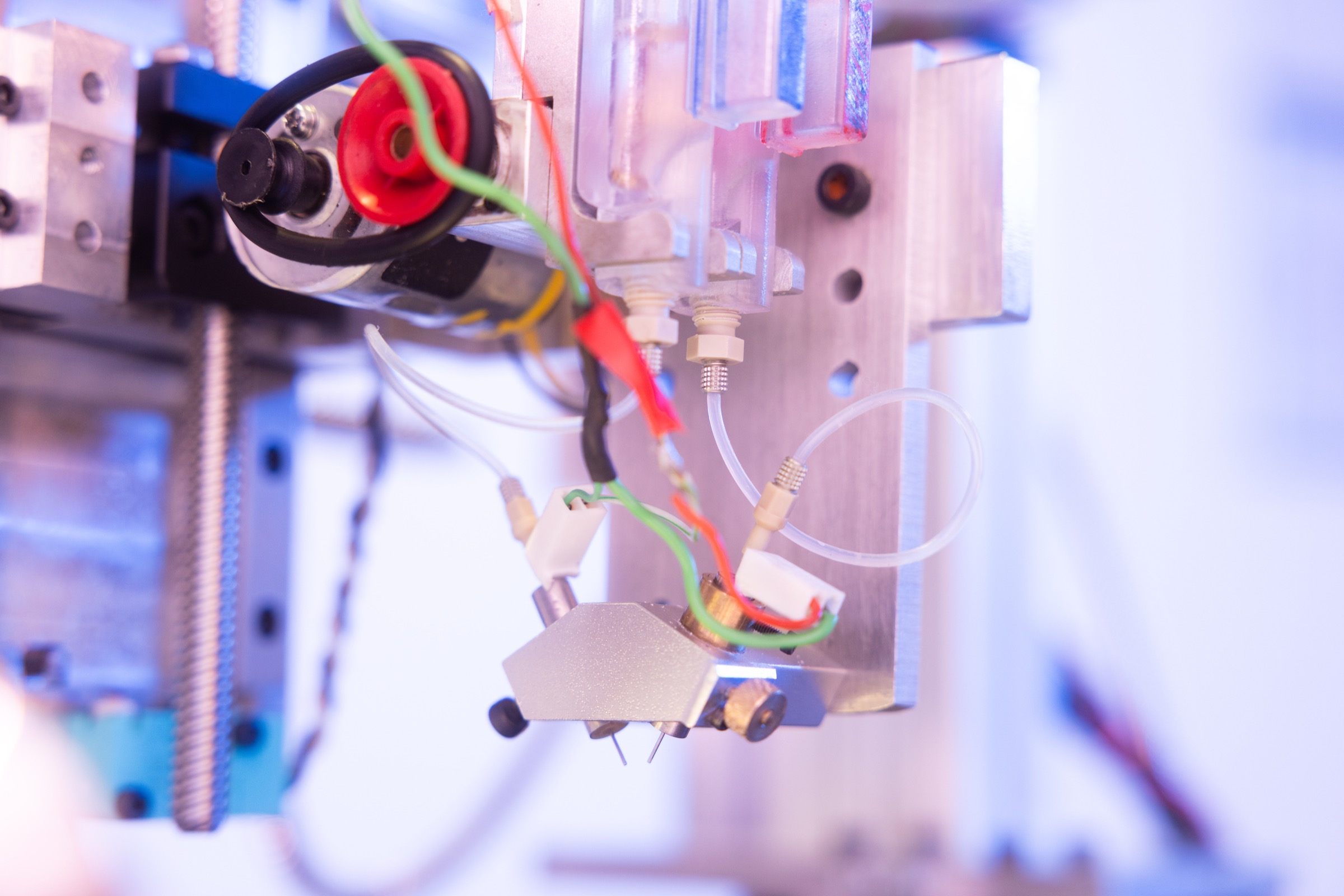
Choose the right next step
Looking at JetBio as an investor or strategic partner? Review the commercial case
Start with the model
Advanced biology rarely fits a single material, cell type or deposition method. JetBio is being developed to give research teams more freedom to combine methods around the question they need to answer.
Place cell-filled hydrogels where they are needed, with a pathway towards dense, structured 3D cultures.
Use complementary print modes within one platform rather than forcing every part of the model through one process.
Develop models around multiwell plates, selected substrates and the workflow your team already understands.
Application-led by design
JetBio’s first commercial conversations focus on applications where model architecture, cell density and workflow fit matter most.
Cancer and leukaemia
Stem cell and developmental biology
Safety pharmacology and cardiac research
These examples are development pathways, not claims of validated customer outcomes. Suitability is established through application review and feasibility work.
Explore the application pathways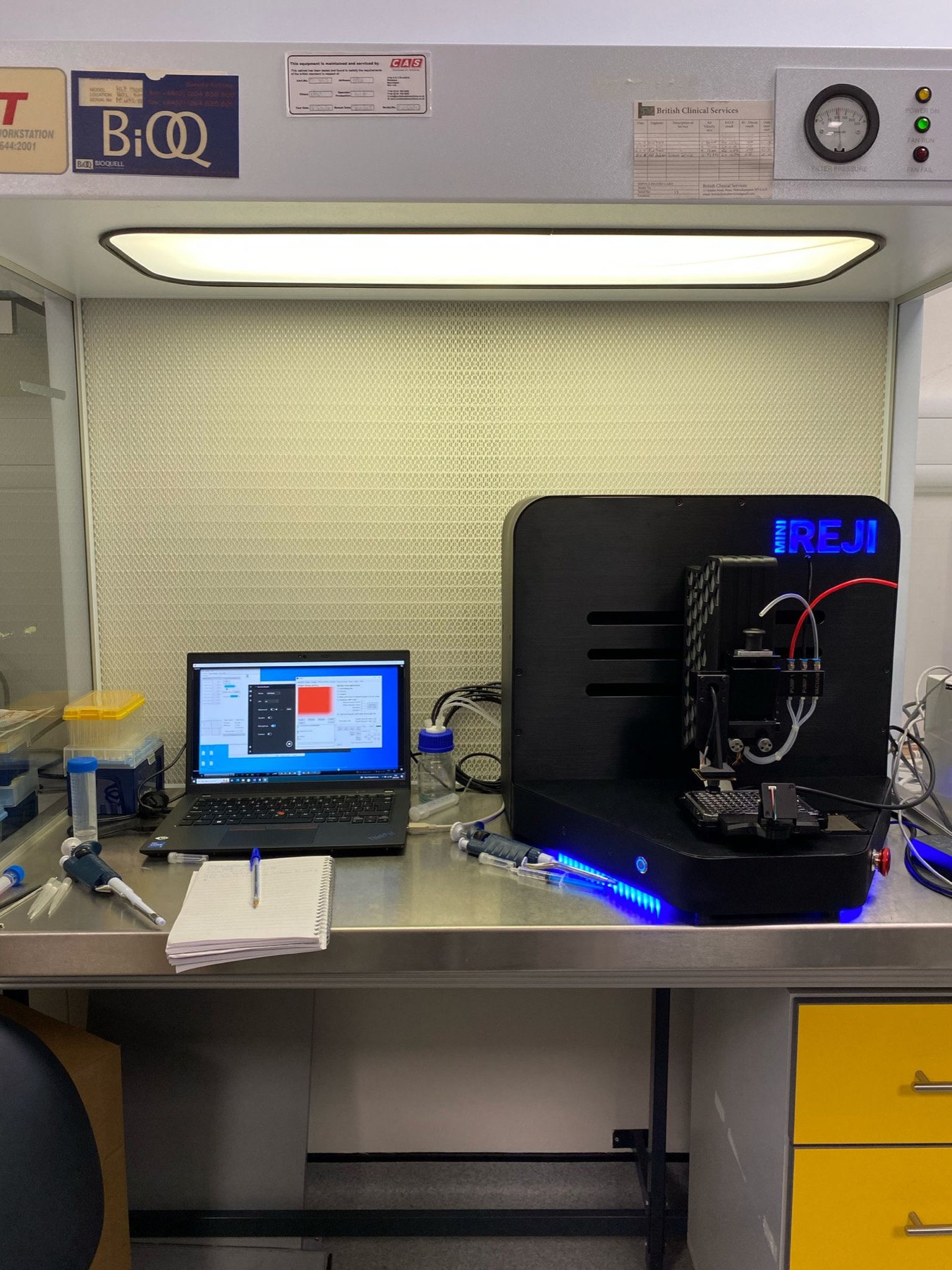 MiniREJI in a research laboratory
Evidence before adjectives
JetBio’s current evidence base includes the distinctive ReJI process and NC3Rs-backed research deployments with Newcastle, Bristol and Cambridge universities.
Current status These are research deployments and application-development activities, not commercial sales.
Review the evidence pathwayPeer-reviewed foundations
JetBio’s ReJI platform is grounded in published work on high-cell-density gels, process characterisation and structured biological models.
Browse the publication libraryProcess characterisation
Cartilage research
High-cell-density models
Publications establish scientific foundations and application findings. They do not replace application-specific feasibility, reproducibility or commercial validation.
A lower-risk way to start
No premature product pitch. First we establish whether JetBio’s print modes and development pathway fit the model you are trying to build.
Share the model, material, cell and readout requirements.
Agree success criteria, constraints and the most relevant print mode.
Scope a feasibility study with evidence gates and responsibilities.
Use results to inform configuration, onboarding and the next commercial step.
Start a useful conversation
Tell us where your current workflow falls short. We will help you assess whether JetBio is a credible route forward.