
Define the populations
Identify malignant, stromal, immune or other supporting cells and the relationship the experiment needs to preserve.
Application pathway: cancer models
Cancer biology is shaped by malignant cells, supporting populations, extracellular matrix and spatial interactions. JetBio explores where controlled placement and high-cell-density gel workflows can add experimental value.
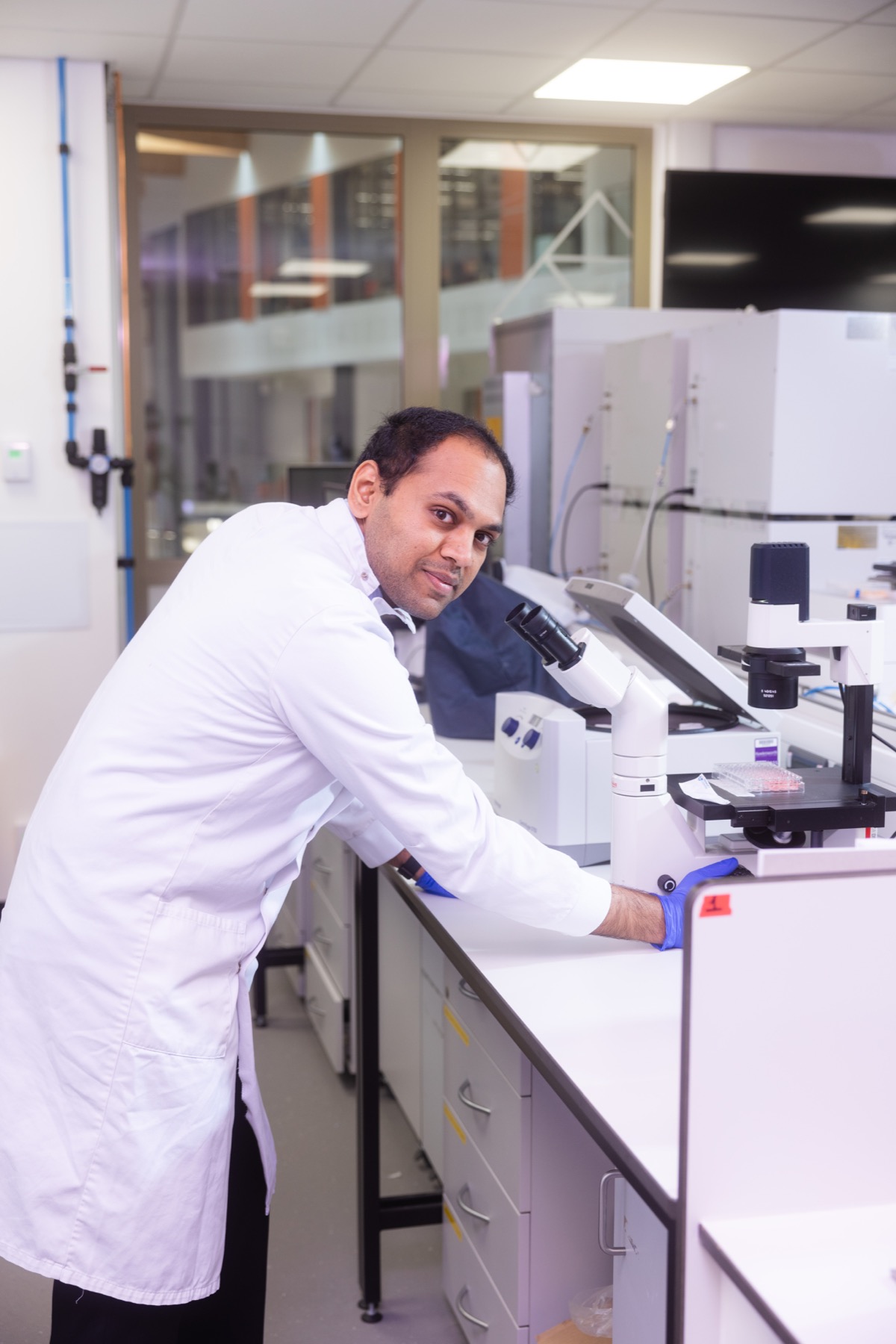
Start with the disease question
A useful model does not attempt to recreate every feature of a tumour or bone-marrow niche. It includes the cells, matrix and organisation needed to investigate a specific mechanism or response.
Identify malignant, stromal, immune or other supporting cells and the relationship the experiment needs to preserve.
Select hydrogel components, stiffness, crosslinking and any biochemical cues against the hypothesis.
Decide where density, distance, boundaries or neighbouring regions may affect the intended readout.
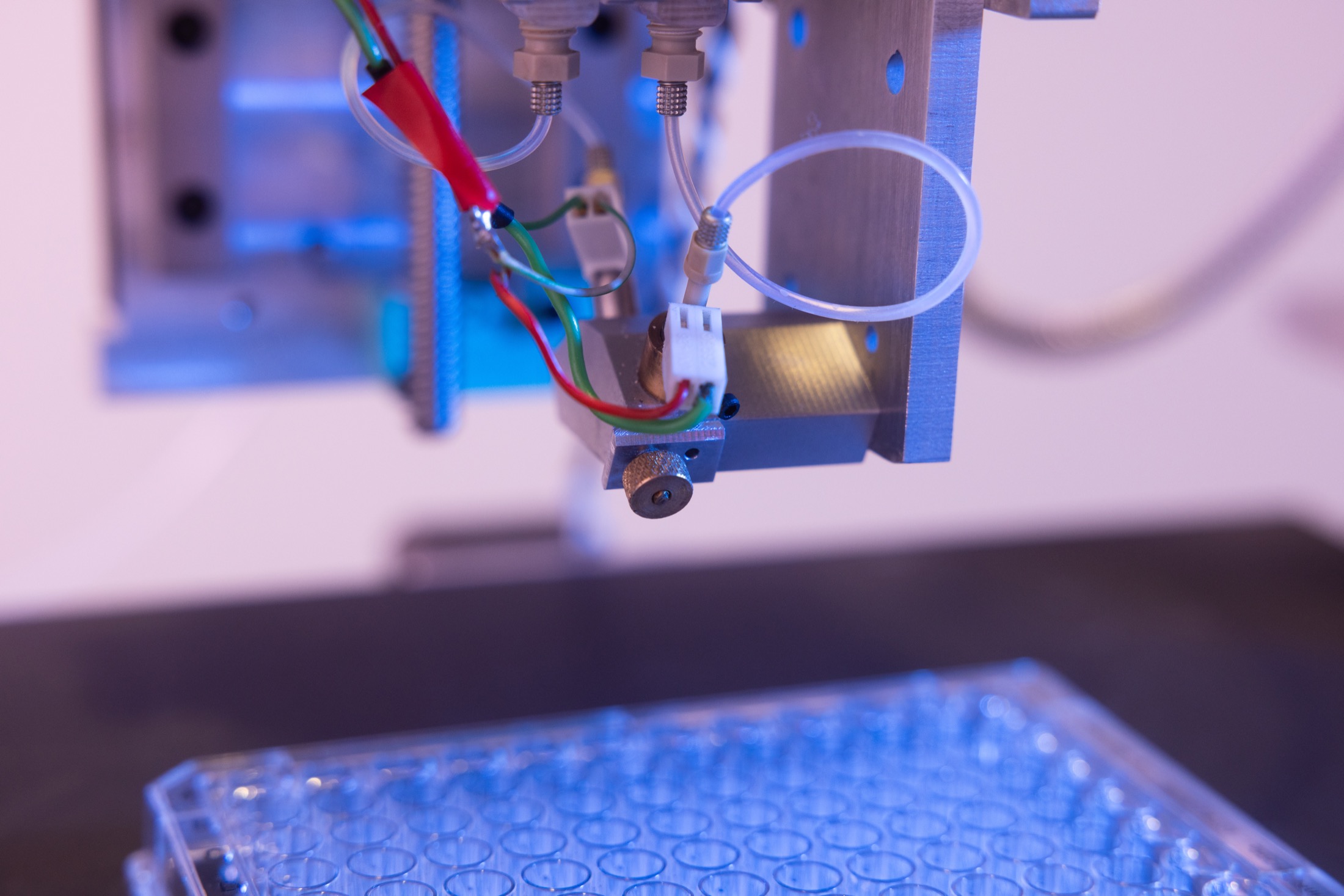
Potential workflow value
JetBio can assess whether ReJI, microvalve or inkjet development modes could place the required cells and materials within the intended culture format. Model quality must then be judged with the biological assay, not from print appearance alone.
Feasibility brief
State the interaction, mechanism or response the model should help investigate.
Describe where 2D culture, spheroids, organoids, matrices or another printer fall short.
Define the assay, sampling points, instrumentation and expected control response.
Set practical criteria for deposition, culture, biological response and replicate performance.
Evidence boundary
JetBio has supported research activity in cancer and 3D in vitro model development, including an NC3Rs-backed workshop and a doctoral programme covering ReJI in vitro models. The suitability of any specific cancer model requires application-level evidence.
NC3Rs cancer disease-modelling workshopResearch activity and workshops are not evidence of a commercially validated assay, customer sale or regulatory acceptance.
Choose your next step
Assess model design, experimental fit, research evidence and the feasibility route.
Visit the researcher journeyConnect the model to a defined drug-development use, performance threshold and adoption pathway.
Visit the drug-discovery journeyStart a useful conversation
Share the cells, matrix, architecture, assay and evidence threshold. JetBio will assess whether modular bioprinting offers a credible route.